




 Click it and Unblock the Notifications


India’s AI Job Market Explodes: 3.5 Lakh New Roles Open for Tech Talent
India’s AI job market is surging with 3.5 lakh new openings in 2026. Discover the top roles, essential skills, and strategies to secure your place...
Check the revised Karnataka government holidays for the year 2026, along with a full government holidays calendar for 2026 and a verified government holiday list 2026. Have a look at holidays today and find out whether it is a day off in Karnataka. You can also have an official confirmation of today's government holiday status or check if tomorrow is a holiday in Karnataka.
Get answers for the Karnataka government holiday tomorrow, and see monthly government holidays here with correct dates, days, and notifications. This page shares public holidays and official government holiday releases for the convenience of offices, schools, travel, and official work.
The June, government holidays comprise Muharram on June 26 and Independence Day on August 15
| Date | Day | Holiday |
|---|---|---|
| June 26 | Friday |  Muharram Muharram
|
| August 15 | Saturday |  Independence Day Independence Day
|
| August 25 | Tuesday |  Eid e Milad Eid e Milad
|
| September 15 | Tuesday |  Ganesh Chaturthi Ganesh Chaturthi
|
| October 2 | Friday |  Gandhi Jayanti Gandhi Jayanti
|
| October 10 | Saturday |  Mahalaya Amavasye Mahalaya Amavasye
|
| October 20 | Tuesday |  Maha Navami Maha Navami
|
| October 21 | Wednesday | 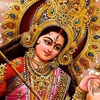 Vijaya Dashami Vijaya Dashami
|
| October 26 | Monday | 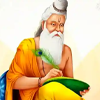 Maharishi Valmiki Jayanti Maharishi Valmiki Jayanti
|
| November 1 | Sunday | 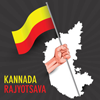 Kannada Rajyothsava Kannada Rajyothsava
|
| November 8 | Sunday |  Diwali Diwali
|
| November 9 | Monday |  Deepavali Holiday Deepavali Holiday
|
| November 27 | Friday |  Kanakadasa Jayanti Kanakadasa Jayanti
|
| December 25 | Friday |  Christmas Day Christmas Day
|
| Date | Day | Holiday |
|---|---|---|
| May 27 | Wednesday |  Bakrid / Eid al Adha Bakrid / Eid al Adha
|
| May 1 | Friday | 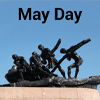 May Day May Day
|
| April 20 | Monday |  Basava Jayanti Basava Jayanti
|
| April 14 | Tuesday |  Dr Ambedkar Jayanti Dr Ambedkar Jayanti
|
| April 3 | Friday |  Good Friday Good Friday
|
| March 31 | Tuesday |  Mahavir Jayanti Mahavir Jayanti
|
| March 21 | Saturday |  Idul Fitr Idul Fitr
|
| March 20 | Friday |  Ugadi Ugadi
|
| February 15 | Sunday |  Maha Shivaratri Maha Shivaratri
|
| January 26 | Monday |  Republic Day Republic Day
|
| January 14 | Wednesday |  Makara Sankranti Makara Sankranti
|
Karnataka observes a public holiday on Friday, June 26, 2026. This day marks the observance of Muharram. This Karnataka public holiday holds significant civic importance. Government offices and schools will close. This allows citizens time for reflection. Public services will be affected across Karnataka.Muharram is the first Islamic month. It has deep historical meaning. This period commemorates Imam Hussein's martyrdom. He was Prophet Muhammad's grandson. The events of Karbala are remembered. This Muharram public holiday allows for solemn remembrance.
Saturday, August 15, 2026, marks a national celebration. India honours its cherished Independence Day. This significant public holiday commemorates freedom. It remembers the citizens' past struggle. It celebrates our nation's rich heritage. People express national pride widely.Karnataka observes this Independence Day public holiday. It is a statewide Karnataka public holiday. Schools and offices remain closed. Civic participation is notably high. Communities organise local patriotic events. This day reinforces unity and spirit.
Karnataka has a public holiday. Tuesday, August 25, 2026, is a state holiday. This date marks Prophet Muhammad's birthday. It is a big day for the public. Public services will change. Offices will close for this day. This Karnataka public holiday allows people to gather. It is a civic occasion.This day is Eid e Milad public holiday. It has old history and deep roots. It is an old Muslim way for many. Groups in Karnataka get ready yearly. Special prayers are often heard. People share kindness and goodwill. This day helps peace and unity grow.
Karnataka observes Ganesh Chaturthi. It is a key public holiday. This festival honours Lord Ganesha. He is the god of wisdom. New beginnings start with him. The day holds civic importance. People across Karnataka celebrate. Festivities unite communities statewide. They share prayers and joy.Ganesh Chaturthi has deep roots. It marks Lord Ganesha's birth. He removes obstacles for us. This Ganesh Chaturthi public holiday brings blessings. Many install idols at home. They perform rituals seeking prosperity. This event fosters unity. It brings spiritual connection to all.
Karnataka observes a public holiday on Friday, October 2, 2026. This date marks Gandhi Jayanti. It holds profound civic relevance statewide. Citizens pause for national reflection. This Karnataka public holiday fosters unity across communities. Public office hours are suspended statewide.This observance honours Mahatma Gandhi. He was the father of the Indian nation. His philosophy of non-violence guides us. The Gandhi Jayanti public holiday celebrates his enduring legacy. We remember his pivotal role in our history. His principles remain deeply important today.
Karnataka observes Mahalaya Amavasye. This holy day honours departed ancestors. It marks Pitru Paksha's end. Ancient traditions are remembered. Families perform sacred rituals. This spiritual observance connects future generations. It is a time of remembrance.This occasion is a Karnataka public holiday. It affects many citizens. Civic offices observe the holiday. People honour their heritage state-wide. This Mahalaya Amavasye public holiday is significant. It unites communities with shared culture. Special prayers are offered.
Karnataka observes a public holiday. Tuesday, October 20, 2026, is Maha Navami. This date holds deep cultural weight. It honours Goddess Durga's victory. This signifies divine power over evil. Maha Navami is key to Navaratri. Many state offices will close. Civic services may face changes. People across the state celebrate. They engage in prayer and worship. This Karnataka public holiday offers pause. Citizens reflect on ancient traditions. This Maha Navami public holiday connects many.
Karnataka observes Vijaya Dashami on October 21, 2026. This date signifies an important Karnataka public holiday. It marks a major victory of good over evil forces. The festival is widely celebrated throughout the state. Civic life is centred on communal gatherings and events. It brings people together.Vijaya Dashami holds deep cultural roots. It commemorates Goddess Durga's triumph over Mahishasura. This shows righteousness winning against evil. People burn effigies representing Ravana. This symbolic act represents overcoming negative influences. The Vijaya Dashami public holiday fosters unity and tradition.
Karnataka observes Maharishi Valmiki Jayanti. This specific public holiday falls on Monday, October 26, 2026. It is a statewide civic observance. Government offices will close. This Karnataka public holiday offers reflection time. It allows citizens to participate in events. It is a day of cultural significance.Maharishi Valmiki Jayanti honours the poet of the Ramayana. This epic tale profoundly influences Indian culture. Its historical roots reach deep. The cultural impact is widely felt. This Maharishi Valmiki Jayanti public holiday fosters civic pride. It is a day of remembrance for many.
Karnataka observes a major public holiday. It is Kannada Rajyothsava. This event falls on November 1. It marks the formation of Karnataka state. The day honours Kannada language and culture. It holds great civic relevance statewide. This Karnataka public holiday is widely observed.Kannada Rajyothsava marks a major historical point. It shows Karnataka's spirit. People across the state celebrate this day. Government offices will remain closed. This Kannada Rajyothsava public holiday builds unity. It boosts regional identity and pride.
November 8, 2026, is significant. Karnataka observes its public holiday. The occasion is the great festival of Diwali. This important date has civic relevance. For the Karnataka public holiday, many gather. Public life adapts to its spirit. Communities prepare for joyous celebrations.Diwali means victory of light. It celebrates new beginnings. This ancient custom brings good fortune. The Diwali public holiday encourages unity. Homes light up with lamps. Families share sweets and laughter. This festival fosters cultural bonds. It brings great joy statewide.
Karnataka declares a public holiday on November 9, 2026. This is the Deepavali Holiday. This significant Karnataka public holiday impacts the state greatly. Citizens get a day for rest and celebration. Civic services will adjust their schedules. Public life will adapt to this occasion.The occasion is a major Deepavali Holiday public holiday. It celebrates the festival of lights. This signifies good winning over evil. It means light triumphs over darkness. Families eagerly gather together. They share meals and give greetings. New beginnings are welcomed by all.
Karnataka celebrates Kanakadasa Jayanti. This Friday is a public holiday. It celebrates a revered saint poet. He is known across the state. His teachings promoted equality. This day holds significant civic relevance. It is a time for reflection. People honor his legacy statewide. This special Karnataka public holiday is observed by many.Kanakadasa was a 15th-century saint. He was a poet and composer. His devotional songs are still popular. They spread messages of unity. He actively fought caste discrimination. His writings greatly enriched Kannada literature. Understanding his life offers insight. His enduring wisdom promotes harmony. This Jayanti truly honours his unique heritage.
Karnataka observes Christmas Day this Friday, December 25th. It is a significant Karnataka public holiday. This date honours the birth of Jesus Christ. This observance has deep global cultural roots. Many citizens reflect and celebrate widely. Public offices and schools will be closed.Christmas Day honours Christ's birth in Bethlehem. This festival fosters goodwill and peace worldwide. Christians in India celebrate this cherished event. Other communities also join festivities, showing its broad appeal. This Christmas Day public holiday signifies unity and hope.
Karnataka observes Bakrid / Eid al Adha. This important public holiday is May 27, 2026. The festival honours Prophet Ibrahim's sacrifice. It celebrates faith and devotion. This special occasion has deep cultural roots. Many Muslims worldwide observe this commemoration.This Bakrid / Eid al Adha public holiday impacts Karnataka state. Many citizens will celebrate the occasion. Civic duties and state functions pause. Most government offices will close. This Karnataka public holiday allows reflection for residents. People connect across communities.
Karnataka observes May Day on Friday, May 1, 2026. This date marks a public holiday across the state. May Day honours workers globally. It recognises their contributions to society. The observance has deep historical roots. It is a day of international solidarity.This Karnataka public holiday has civic relevance. It allows reflection on labour history. The May Day public holiday remembers past struggles. Workers fought for their rights. This date serves as an important reminder. It is a day for all communities.
Karnataka observes Basava Jayanti on Monday, April 20, 2026. This marks an important public holiday. The occasion honours Lord Basaveshwara. He was a 12th-century saint and reformer. His teachings promoted equality and harmony widely. This day celebrates his lasting contributions to society. Citizens reflect on his wisdom.This significant Karnataka public holiday affects civic life. Government offices may close. People use this time for reflection. They remember the saint's message of justice. The Basava Jayanti public holiday celebrates Karnataka's cultural heritage. Its observance holds deep meaning.
Karnataka observes a significant public holiday. Tuesday, April 14, 2026, honours Dr Ambedkar Jayanti. This date marks a vital Karnataka public holiday. It recognises a key national figure. The day carries state-wide civic relevance. It reminds citizens of equality. This occasion fosters unity.This observance celebrates Dr B.R. Ambedkar. He was a chief architect of India's Constitution. His social reform work is profound. The Dr Ambedkar Jayanti public holiday holds cultural significance. It reflects his fight for justice. This day inspires remembrance and fairness for all. It promotes social progress.
Karnataka observes Good Friday on April 3, 2026. This Good Friday public holiday affects the entire state of Karnataka. This Karnataka public holiday has civic relevance. Good Friday remembers Jesus Christ's crucifixion. It is central to Christian faith. The day signifies sacrifice.This observance holds deep religious significance. Christians worldwide attend solemn services. They reflect on the sacrifice made. This cultural occasion impacts communities. Karnataka respects this important commemoration. It acknowledges its spiritual meaning.
Karnataka celebrates Mahavir Jayanti on March 31, 2026. This date marks an important state public holiday. Mahavir Jayanti honours Lord Mahavir. He was the 24th Jain Tirthankara. His teachings emphasized peace and non-violence. These values guide many people today. The Mahavir Jayanti public holiday offers time for reflection. It affects civic activities across the state. This observance highlights spiritual heritage. People reflect on historical significance.
Karnataka observes Idul Fitr on Saturday, March 21, 2026. This date marks an important public holiday for the state. Government offices and many businesses will close statewide. This ensures citizens can participate fully. The Karnataka public holiday impacts daily life. It is a time for solemn observance.Idul Fitr commemorates the end of Ramadan. This holy month involves deep fasting. The festival celebrates joy and gratitude. Families gather for special prayers and meals. This Idul Fitr public holiday fosters community spirit. It reflects significant cultural traditions.
Karnataka observes a public holiday on Friday, March 20, 2026. This date marks the festival of Ugadi. Ugadi signifies the traditional New Year. It heralds a time of fresh beginnings. For Karnataka, this public holiday holds deep cultural relevance. It marks the start of the lunisolar calendar. Civic life engages in observances.The Ugadi public holiday celebrates new life. It is deeply rooted in history. People clean homes and share festive meals. This auspicious occasion brings families together. The meaning of Ugadi public holiday involves hope. It signifies prosperity for the year ahead. Many official duties pause statewide.
Sunday, February 15, 2026, marks Maha Shivaratri. Karnataka observes this as a public holiday. This Karnataka public holiday brings civic impact. Government offices and banks will close. Public transport may change services. Many citizens will have a day off.Maha Shivaratri means ‘Great Night of Shiva’. It honours Lord Shiva’s holy marriage. Devotees often fast through the day. They stay awake praying all night. This ancient festival shows deep devotion. The Maha Shivaratri public holiday is widely respected.
Karnataka celebrates Republic Day on January 26, 2026. This Monday marks a key public holiday. Citizens statewide participate in festivities. Government offices observe this important date. Public life pauses for Republic Day events. This is a vital civic occasion.This date commemorates India's 1950 constitution adoption. It secured our status as a republic. The historical significance informs the holiday. The Karnataka public holiday allows nationwide reflection. This Republic Day public holiday unites Indians. It celebrates our unique democracy.
Karnataka observes a special public holiday. Makara Sankranti is the reason. This is a significant Karnataka public holiday. It brings many people together statewide. Civic life pauses for joyous celebration. Residents engage in traditional customs. It signifies unity and prosperity for all. Many will take part in festivities.This festival holds deep cultural roots. It marks the sun's northward journey. This transition is vital for seasons. It signals the end of winter. Harvest season begins anew soon. This festival honours the sun god. It celebrates abundance and new beginnings. This Makara Sankranti public holiday has historical importance. Its meaning spans centuries for Indians.
The Karnataka government holidays calendar is an important reference for citizens who interact with public offices across the state. It clearly shows official non-working days for government departments, helping people plan visits for certificates, registrations, and public services. In a state with large urban centres like Bengaluru and extensive rural administration, advance awareness of holidays saves time and avoids unnecessary travel. The calendar also supports institutions, businesses, and educational bodies in aligning their schedules efficiently. Easy access to holiday information improves coordination between citizens and government offices, making day-to-day administration more predictable and user-friendly.
The official Karnataka government holiday list plays a practical role in daily planning for individuals and organisations. By knowing which days offices remain closed, citizens can schedule applications, follow-ups, and official work more effectively. For professionals and businesses, the holiday list helps align work commitments and compliance timelines. Educational institutions also rely on it to plan activities and examinations. A clearly defined holiday list reduces last-minute confusion and supports smoother interaction between the public and government departments throughout the year.
Government offices in Karnataka follow a fixed holiday structure to ensure consistency and administrative efficiency. Declared holidays allow departments to plan staffing, service delivery, and internal operations well in advance. This structured approach helps prevent service backlogs and ensures continuity before and after holiday periods. For citizens, a predictable holiday framework reduces uncertainty and improves access to public services. A fixed structure also balances administrative productivity with the need for rest and social observance, supporting stable governance across the state.
On Karnataka government holidays, routine administrative offices generally remain closed, but essential public services continue to function.
Understanding this distinction helps citizens plan better and avoid inconvenience. While offices handling documentation and approvals may be closed, services related to health, safety, and utilities remain operational under special arrangements. Clear communication around office closures and service availability builds public confidence and ensures smoother service delivery. This balance between closures and continuity reflects effective public administration in the state.
National holidays form an important part of Karnataka’s holiday framework. These days commemorate significant national events and promote constitutional values. Government offices and educational institutions usually observe closures, while official programs or awareness activities may be organised. Observing national holidays encourages civic responsibility and strengthens a shared sense of identity among citizens. Including national observances within the state holiday structure ensures alignment with nationwide practices and reinforces public awareness of India’s history and democratic values.
Educational institutions across Karnataka rely on the government holiday calendar for academic planning. Schools and colleges schedule examinations, vacations, and institutional activities around official holidays to maintain academic continuity. Predictable holiday planning reduces disruptions for students, teachers, and parents. Clear alignment between academic calendars and government holidays helps families plan travel and personal commitments more efficiently. Government holidays thus play a supportive role in maintaining stability and clarity within Karnataka’s education system.
Optional holidays provide flexibility within the Karnataka government holiday system. These allow employees to observe personal, regional, or community-specific occasions while ensuring essential services continue smoothly. Regulated optional leave policies help maintain operational balance across departments. This flexibility supports inclusivity and employee well-being without compromising public service delivery. Optional holidays reflect a governance approach that respects cultural diversity while maintaining efficiency and accountability in administration.
Scheduled government holidays contribute significantly to work-life balance in Karnataka.
These breaks provide employees time for rest, family interaction, and personal activities. Regular holidays help reduce stress, improve morale, and enhance productivity when work resumes. For communities, holidays encourage social engagement and cultural participation. A balanced holiday system supports both human well-being and administrative efficiency, contributing to a healthier work environment across the state.
Even during Karnataka government holidays, essential services remain active to ensure public safety and basic needs are met. Healthcare facilities, emergency response services, utilities, and transport services operate under special arrangements. Awareness of essential service availability helps citizens plan confidently and rely on critical support systems when needed. Continuity of essential services during holidays strengthens public trust in governance and service reliability.
State-level festivals play a major role in shaping Karnataka’s government holiday calendar. Celebrations such as Mysuru Dasara, Ugadi, Makara Sankranti, Deepavali, Ganesh Chaturthi, Karaga, and Hampi Utsav strongly influence public life. Recognising these festivals through official holidays allows communities to observe traditions without disrupting administrative responsibilities. Festival-related holidays also help manage public movement and service demand during peak periods. Aligning governance with cultural observance makes the holiday framework more inclusive and people-centric.
India’s AI job market is surging with 3.5 lakh new openings in 2026. Discover the top roles, essential skills, and strategies to secure your place...

The ICAI has officially released the CA Intermediate May 2026 results. Discover the AIR 1 topper, check the latest pass percentage statistics, and...

Is your school or bank closed for Muharram on Friday, June 26, 2026? Check the latest state-wise holiday updates, government circulars, and...

Heavy rains have triggered a yellow alert in Mumbai, causing significant commute delays. Stay prepared with these essential tips for students and...

Patliputra University has officially postponed the UG Semester-IV exam originally scheduled for June 24, 2026. Students must now appear on July 1....
Frequently Asked Questions