




 Click it and Unblock the Notifications


India’s AI Job Market Explodes: 3.5 Lakh New Roles Open for Tech Talent
India’s AI job market is surging with 3.5 lakh new openings in 2026. Discover the top roles, essential skills, and strategies to secure your place...
Discover all the Public Holidays 2026 in India, including National Holidays and Government Holidays, which have been declared by central and state authorities.Get the correct and most recent information on whether today is a public holiday or if tomorrow is a government holiday at the touch of a button.
This page has the list of public holidays per state, the holiday calendar by month, and the verified government-declared holidays to assist you in planning office schedules, travelling, school activities, and personal events effectively.
In June, key public holidays include Muharram on June 26 and Sant Guru Kabir Jayanti on June 29.
| Date | Day | Holiday | States |
|---|---|---|---|
| June 26 | Friday |  Muharram Muharram |
UP,AN,TN,MH,DL,KA,CH,AP,HP,RJ,TS,CG,OD,JK,WB,GJ,LD,DH,TR,MP,JH,DD,MZ,BR |
| June 29 | Monday |  Sant Guru Kabir Jayanti Sant Guru Kabir Jayanti |
PB,HP,CG,HR |
| June 30 | Tuesday |  Remna Ni Remna Ni |
MZ |
| July 1 | Wednesday |  Guru Hargobind Ji's Birthday Guru Hargobind Ji's Birthday |
JK |
| July 6 | Monday |  MHIP Day MHIP Day |
MZ |
| July 13 | Monday |  Bhanu Jayanti Bhanu Jayanti |
SK |
| July 13 | Monday |  Martyrs' Day Martyrs' Day |
JK |
| July 16 | Thursday |  Ratha Yathra Ratha Yathra |
MN,OD |
| July 17 | Friday |  U Tirot Sing Day U Tirot Sing Day |
ML |
| July 21 | Tuesday |  Kharchi Puja Kharchi Puja |
TR |
| July 31 | Friday |  Shaheed Udham Singh's Martyrdom Day Shaheed Udham Singh's Martyrdom Day |
HR |
| August 7 | Friday |  Ker Puja Ker Puja |
TR |
| August 8 | Saturday |  Tendong Lho Rum Faat Tendong Lho Rum Faat |
SK |
| August 10 | Monday |  Bonalu Bonalu |
TS |
| August 13 | Thursday |  Patriots Day Patriots Day |
MN |
| August 15 | Saturday |  Haryali Teej Haryali Teej |
HR |
| August 15 | Saturday |  Independence Day Independence Day |
UP,PB,AN,TN,MH,DL,KA,NL,CH,AP,HP,UK,GA,MN,RJ,TS,KL,CG,OD,AR,JK,WB,GJ,LD,ML,DH,AS,TR,SK,PY,MP,JH,DD,MZ,HR,BR |
| August 16 | Sunday |  De Jure Transfer Day De Jure Transfer Day |
PY |
| August 16 | Sunday |  Parsi New Year Parsi New Year |
MH,GJ,DH,DD |
| August 25 | Tuesday |  Eid e Milad Eid e Milad |
UP,TN,MH,DL,KA,NL,AP,UK,RJ,TS,KL,CG,OD,JK,GJ,LD,DH,TR,PY,MP,JH,DD,MZ,HR |
| August 25 | Tuesday |  First Onam First Onam |
KL |
| August 27 | Thursday |  Jhulan Purnima Jhulan Purnima |
OD |
| August 27 | Thursday |  Thiruvonam Thiruvonam |
KL |
| August 28 | Friday |  Friday Following Eid e Milad Friday Following Eid e Milad |
JK |
| August 28 | Friday |  Raksha Bandhan Raksha Bandhan |
UP,UK,RJ,CG,GJ,DH,MP,DD,HR |
| September 4 | Friday |  Janmashtami Janmashtami |
AN,PB,UP,AN,TN,DL,NL,CH,AP,HP,UK,MN,RJ,TS,CG,OD,JK,GJ,ML,DH,SK,TR,MP,JH,DD,BR,HR |
| September 13 | Sunday |  Hartalika Teej Hartalika Teej |
CG,SK |
| September 15 | Tuesday |  Ganesh Chaturthi Ganesh Chaturthi |
TN,MH,KA,AP,GA,TS,OD,GJ,DH,PY,DD |
| September 16 | Wednesday |  Ganesh Chaturthi Holiday Ganesh Chaturthi Holiday |
GA |
| September 16 | Wednesday |  Nuakhai Nuakhai |
OD |
| September 21 | Monday |  Ramdev Jayanti Ramdev Jayanti |
RJ |
| September 21 | Monday |  Sree Narayana Guru Samadhi Sree Narayana Guru Samadhi |
KL |
| September 21 | Monday | 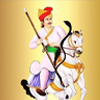 Teja Dashmi Teja Dashmi |
RJ |
| September 23 | Wednesday |  Heroes' Martyrdom Day Heroes' Martyrdom Day |
HR |
| September 26 | Saturday | 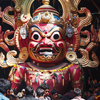 Indra Jatra Indra Jatra |
SK |
| September 26 | Saturday | 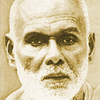 Sree Narayana Guru Jayanti Sree Narayana Guru Jayanti |
KL |
| October 2 | Friday | 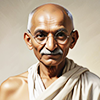 Gandhi Jayanti Gandhi Jayanti |
HR,PB,UP,AN,TN,MH,DL,KA,NL,CH,HP,AP,UK,GA,MN,TS,RJ,KL,CG,OD,AR,WB,JK,LD,GJ,ML,DH,AS,TR,SK,PY,MP,JH,DD,MZ,BR |
| October 10 | Saturday |  Mahalaya Amavasye Mahalaya Amavasye |
KA,OD,WB,TR |
| October 11 | Sunday |  First Day of Bathukamma First Day of Bathukamma |
TS |
| October 11 | Sunday |  Ghatasthapana Ghatasthapana |
RJ |
| October 11 | Sunday |  Maharaja Agrasen Jayanti Maharaja Agrasen Jayanti |
HR |
| October 18 | Sunday |  Kati Bihu Kati Bihu |
AS |
| October 18 | Sunday |  Maha Saptami Maha Saptami |
OD,WB,AS,TR,SK |
| October 19 | Monday |  Maha Ashtami Maha Ashtami |
AP,MN,TS,RJ,OD,WB,AS,TR,SK,JH |
| October 20 | Tuesday |  Maha Navami Maha Navami |
BR,UP,TN,KA,NL,KL,OD,AR,WB,ML,AS,TR,SK,PY,JH |
| October 21 | Wednesday |  Vijaya Dashami Vijaya Dashami |
BR,HR,PB,UP,AN,TN,MH,DL,KA,NL,CH,HP,AP,UK,GA,TS,RJ,KL,CG,OD,AR,JK,WB,LD,GJ,ML,DH,AS,TR,SK,MP,JH,DD,MZ |
| October 25 | Sunday |  Lakshmi Puja Lakshmi Puja |
OD,WB,TR |
| October 26 | Monday |  Maharishi Valmiki Jayanti Maharishi Valmiki Jayanti |
HR,PB,KA,HP,MP |
| October 31 | Saturday | 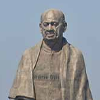 Sardar Vallabhbhai Patel Jayanti Sardar Vallabhbhai Patel Jayanti |
GJ |
| November 1 | Sunday |  Haryana Day Haryana Day |
HR |
| November 1 | Sunday |  Kannada Rajyothsava Kannada Rajyothsava |
KA |
| November 1 | Sunday |  Kut Kut |
MN |
| November 1 | Sunday |  Lhabab Duchen Lhabab Duchen |
SK |
| November 1 | Sunday |  Puducherry Liberation Day Puducherry Liberation Day |
PY |
| November 6 | Friday |  Wangala Festival Wangala Festival |
ML |
| November 8 | Sunday |  Diwali Diwali |
BR,HR,PB,UP,AN,TN,MH,DL,KA,NL,CH,HP,AP,UK,GA,MN,TS,RJ,KL,CG,OD,AR,JK,WB,LD,GJ,ML,DH,AS,TR,SK,PY,MP,JH,DD,MZ |
| November 9 | Monday |  Deepavali Holiday Deepavali Holiday |
HR,UP,MH,KA,UK,RJ |
| November 9 | Monday |  Govardhan Puja Govardhan Puja |
CH,DH,DD |
| November 9 | Monday |  Vikram Samvat New Year Vikram Samvat New Year |
GJ |
| November 11 | Wednesday |  Bhai Dooj Bhai Dooj |
UP,UK,RJ,GJ,SK |
| November 12 | Thursday |  Ningol Chakkouba Ningol Chakkouba |
MN |
| November 15 | Sunday |  Chhath Puja Chhath Puja |
BR,CG,DH,JH,DD |
| November 16 | Monday |  Chhath Puja Holiday Chhath Puja Holiday |
BR |
| November 23 | Monday |  Seng Kut Snem Seng Kut Snem |
ML |
| November 24 | Tuesday |  Guru Nanak Jayanti Guru Nanak Jayanti |
HR,PB,UP,AN,MH,DL,NL,CH,HP,UK,TS,RJ,CG,AR,JK,WB,LD,GJ,MP,JH,MZ |
| November 24 | Tuesday |  Karthika Purnima Karthika Purnima |
TS,OD |
| November 27 | Friday |  Kanakadasa Jayanti Kanakadasa Jayanti |
KA |
| December 1 | Tuesday |  Indigenous Faith Day Indigenous Faith Day |
AR |
| December 3 | Thursday |  Feast of St Francis Xavier Feast of St Francis Xavier |
GA |
| December 5 | Saturday |  Sheikh Muhammad Abdullah Jayanti Sheikh Muhammad Abdullah Jayanti |
JK |
| December 12 | Saturday |  Pa Togan Nengminza Sangma Pa Togan Nengminza Sangma |
ML |
| December 14 | Monday |  Sri Guru Teg Bahadur Ji's Martyrdom Day Sri Guru Teg Bahadur Ji's Martyrdom Day |
PB |
| December 18 | Friday |  Death Anniversary of U SoSo Tham Death Anniversary of U SoSo Tham |
ML |
| December 18 | Friday |  Guru Ghasidas Jayanti Guru Ghasidas Jayanti |
CG |
| December 19 | Saturday |  Liberation Day Liberation Day |
GA,DD |
| December 25 | Friday |  Christmas Day Christmas Day |
BR,HR,PB,UP,AN,TN,MH,DL,KA,NL,AP,HP,UK,GA,MN,TS,RJ,KL,CG,OD,AR,JK,WB,LD,GJ,ML,DH,AS,TR,SK,PY,MP,JH,DD,MZ |
| December 26 | Saturday |  Christmas Holiday Christmas Holiday |
TS,ML,ML,MZ,MZ |
| December 26 | Saturday |  Shaheed Udham Singh Jayanti Shaheed Udham Singh Jayanti |
HR |
| December 30 | Wednesday |  Tamu Losar Tamu Losar |
SK |
| December 30 | Wednesday |  U Kiang Nangbah U Kiang Nangbah |
ML |
| December 31 | Thursday |  New Year's Eve New Year's Eve |
MN,MZ |
| Date | Day | Holiday | States |
|---|---|---|---|
| June 18 | Thursday |  Sri Guru Arjun Dev Ji's Martyrdom Day Sri Guru Arjun Dev Ji's Martyrdom Day |
PB |
| June 17 | Wednesday |  Maharana Pratap Jayanti Maharana Pratap Jayanti |
HP,RJ,HR |
| June 15 | Monday |  Raja Sankranti Raja Sankranti |
OD |
| June 15 | Monday |  YMA Day YMA Day |
MZ |
| June 14 | Sunday |  Pahili Raja Pahili Raja |
OD |
| May 28 | Thursday |  Bakrid / Eid al Adha Holiday Bakrid / Eid al Adha Holiday |
JK |
| May 27 | Wednesday |  Bakrid / Eid al Adha Bakrid / Eid al Adha |
UP,PB,AN,TN,MH,DL,KA,NL,HP,AP,UK,GA,MN,RJ,TS,KL,CG,OD,JK,WB,GJ,LD,ML,TR,AS,PY,MP,JH,MZ,HR,BR |
| May 26 | Tuesday | 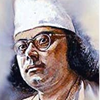 Kazi Nazrul Islam Jayanti Kazi Nazrul Islam Jayanti |
TR |
| May 9 | Saturday | 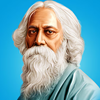 Guru Rabindranath Jayanti Guru Rabindranath Jayanti |
WB,TR |
| May 1 | Friday | 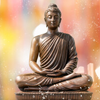 Buddha Purnima Buddha Purnima |
UP,AN,MH,DL,CH,HP,UK,CG,AR,JK,WB,TR,MP,JH,MZ |
| May 1 | Friday |  Maharashtra Day Maharashtra Day |
MH |
| May 1 | Friday |  May Day May Day |
TN,KA,GA,MN,TS,KL,WB,TR,AS,PY,BR |
| April 21 | Tuesday |  Garia Puja Garia Puja |
TR |
| April 20 | Monday |  Basava Jayanti Basava Jayanti |
KA |
| April 19 | Sunday |  Maharshi Parasuram Jayanti Maharshi Parasuram Jayanti |
HP,RJ,GJ,MP,HR |
| April 15 | Wednesday |  Bengali New Year Bengali New Year |
WB,TR |
| April 15 | Wednesday |  Bohag Bihu Bohag Bihu |
AR,AS |
| April 15 | Wednesday |  Bohag Bihu Holiday Bohag Bihu Holiday |
AS |
| April 15 | Wednesday |  Himachal Day Himachal Day |
HP |
| April 14 | Tuesday |  Biju Festival Biju Festival |
TR |
| April 14 | Tuesday |  Cheiraoba Cheiraoba |
MN |
| April 14 | Tuesday |  Dr Ambedkar Jayanti Dr Ambedkar Jayanti |
UP,PB,TN,MH,KA,CH,HP,AP,UK,GA,RJ,TS,KL,CG,OD,JK,WB,GJ,SK,PY,MP,JH,HR,BR |
| April 14 | Tuesday |  Maha Vishuba Sankranti Maha Vishuba Sankranti |
OD |
| April 14 | Tuesday |  Tamil New Year Tamil New Year |
TN,PY |
| April 14 | Tuesday |  Vaisakh Vaisakh |
PB,CH,JK |
| April 14 | Tuesday |  Vishu Vishu |
KL |
| April 5 | Sunday |  Babu Jagjivan Ram Jayanti Babu Jagjivan Ram Jayanti |
AP,TS |
| April 5 | Sunday |  Easter Sunday Easter Sunday |
NL,KL |
| April 4 | Saturday |  Easter Saturday Easter Saturday |
NL |
| April 3 | Friday | 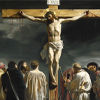 Good Friday Good Friday |
UP,PB,TN,AN,MH,KA,DL,NL,CH,HP,AP,UK,GA,MN,RJ,TS,KL,CG,OD,AR,WB,GJ,LD,ML,DH,TR,AS,SK,PY,MP,JH,DD,MZ,BR |
| April 1 | Wednesday |  Odisha Day Odisha Day |
OD |
| March 31 | Tuesday |  Mahavir Jayanti Mahavir Jayanti |
UP,PB,TN,MH,KA,DL,CH,RJ,CG,GJ,LD,DH,MP,JH,DD,MZ,HR |
| March 27 | Friday |  Ram Navami Ram Navami |
UP,PB,AN,MH,HP,AP,UK,RJ,TS,CG,OD,GJ,DH,SK,MP,DD,HR,BR |
| March 23 | Monday |  S. Bhagat Singh's Martyrdom Day S. Bhagat Singh's Martyrdom Day |
HR |
| March 22 | Sunday |  Bihar Day Bihar Day |
BR |
| March 22 | Sunday |  Idul Fitr Holiday Idul Fitr Holiday |
TS |
| March 21 | Saturday |  Idul Fitr Idul Fitr |
UP,PB,TN,AN,MH,KA,DL,NL,CH,HP,AP,UK,GA,RJ,TS,MN,KL,CG,OD,AR,JK,WB,GJ,LD,ML,DH,TR,AS,SK,PY,MP,JH,DD,MZ,HR,BR |
| March 21 | Saturday | 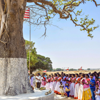 Sarhul Sarhul |
JH |
| March 20 | Friday | 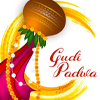 Gudi Padwa Gudi Padwa |
MH |
| March 20 | Friday |  Jumat-ul-Wida Jumat-ul-Wida |
JK |
| March 20 | Friday |  Telugu New Year Telugu New Year |
TN |
| March 20 | Friday |  Ugadi Ugadi |
KA,AP,GA,RJ,TS,JK,GJ,DH,DD |
| March 17 | Tuesday |  Shab-i-Qadr Shab-i-Qadr |
JK |
| March 6 | Friday | 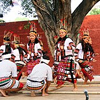 Chapchar Kut Chapchar Kut |
MZ |
| March 5 | Thursday |  Panchayatiraj Divas Panchayatiraj Divas |
OD |
| March 4 | Wednesday | 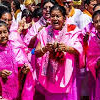 Yaosang 2nd Day Yaosang 2nd Day |
MN |
| March 3 | Tuesday |  Doljatra Doljatra |
WB |
| March 3 | Tuesday |  Holi Holi |
UP,PB,AN,MH,DL,NL,CH,HP,AP,UK,GA,RJ,TS,CG,OD,AR,JK,GJ,ML,DH,TR,AS,SK,MP,JH,DD,MZ,HR,BR |
| March 3 | Tuesday |  Yaosang Yaosang |
MN |
| February 19 | Thursday |  Chhatrapati Shivaji Maharaj Jayanti Chhatrapati Shivaji Maharaj Jayanti |
MH |
| February 18 | Wednesday |  Losar Losar |
SK |
| February 15 | Sunday |  Lui-Ngai-Ni Lui-Ngai-Ni |
MN |
| February 15 | Sunday |  Maha Shivaratri Maha Shivaratri |
UP,PB,MH,KA,DL,CH,HP,AP,UK,RJ,TS,CG,KL,OD,JK,GJ,DH,TR,MP,JH,DD,HR |
| February 1 | Sunday | 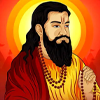 Guru Ravidas Jayanti Guru Ravidas Jayanti |
PB,CH,HP,MP,HR |
| January 26 | Monday |  Republic Day Republic Day |
PB,UP,TN,AN,MH,KA,DL,CH,NL,HP,AP,UK,GA,RJ,TS,MN,CG,KL,OD,AR,JK,WB,GJ,LD,ML,DH,TR,SK,AS,PY,MP,JH,DD,MZ,HR,BR |
| January 25 | Sunday |  State Day State Day |
HP,AR,SK,MZ |
| January 23 | Friday | 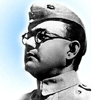 Netaji Subhas Chandra Bose Jayanti Netaji Subhas Chandra Bose Jayanti |
OD,WB,TR |
| January 23 | Friday |  Vasant Panchami Vasant Panchami |
PB,OD,WB,TR,HR |
| January 19 | Monday |  Sonam Losar Sonam Losar |
SK |
| January 16 | Friday |  Kanuma Panduga Kanuma Panduga |
AP |
| January 16 | Friday |  Uzhavar Thirunal Uzhavar Thirunal |
TN |
| January 15 | Thursday |  Magh Bihu Magh Bihu |
AS |
| January 15 | Thursday |  Thiruvalluvar Day Thiruvalluvar Day |
TN,PY |
| January 14 | Wednesday |  Makara Sankranti Makara Sankranti |
KA,TS,OD,AR,GJ,SK |
| January 14 | Wednesday |  Pongal Pongal |
TN,AP,TS,PY |
| January 12 | Monday |  Swami Vivekananda Jayanti Swami Vivekananda Jayanti |
WB |
| January 11 | Sunday |  Missionary Day Missionary Day |
MZ |
| January 3 | Saturday |  Hazrat Ali Jayanti Hazrat Ali Jayanti |
UP,UP |
| January 2 | Friday |  Mannam Jayanti Mannam Jayanti |
KL |
| January 2 | Friday |  New Year Holiday New Year Holiday |
MZ |
| January 1 | Thursday |  Gaan-Ngai Gaan-Ngai |
MN |
| January 1 | Thursday |  New Year's Day New Year's Day |
TN,NL,TS,RJ,MN,AR,ML,SK,PY,MZ |
On Monday, 26 January 2026, Republic Day will be celebrated in all states and Union Territories of India. It refers to the day when the Constitution of India was first implemented in 1950. No central and state government offices are working on this day; therefore, the banks, schools, and most of the private organisations are closed too. At Kartavya Path in Delhi, huge celebrations, along with parades and official ceremonies, take place.
Good Friday is on 3 April 2026. It is a public holiday in several states of India and is recognised by all the Christian communities as well. The event that the day commemorates is the crucifixion of Jesus Christ. Activities such as church services and prayers are being organised to observe the day. Government offices and banks are closed there where the holiday is officially announced. The same goes for educational institutions.
In 2026, Eid al-Fitr is going to be celebrated either at the very end of March or at the beginning of April, based on the sighting of the moon. It is the celebration that follows Ramadan. Throughout the country, Muslims are doing it in the very same manner, starting from offering special prayers through charitable activities to having a feast with their loved ones. Most of the states, as well as the Central government, declare it a holiday.
Saturday, the 15th of August 202,6 will be the day when Independence Day is celebrated. It will mark the liberation of India from the British Empire in 1947. It is a national public holiday that is observed by all. No government offices, banks, or educational institutions function during the day. The Indian Prime Minister hoists the national flag at the Red Fort, followed by a national broadcast.
Friday, 2 October 2026, will be the day of the Gandhi Jayanti celebration, which is held to honour the birth anniversary of Mahatma Gandhi. It is one of the three national holidays in India. On the day, the people participate in prayer meetings, show their respect and follow the non-violent principles. The whole day is marked by no work in all kinds of central and state government offices.
Dussehra or Vijaya Dashami will be celebrated in October 2026, the day when the victory of Lord Rama over Ravana is commemorated. In a lot of places, it is a major day off. The celebration consists of various manifestations such as Ramlila, dramas, and the burning of the effigies of Ravana. It is the day when the government offices and schools close their doors across most regions.
Deepavali (Diwali), the festival of illuminated homes, will be celebrated in November 2026 and is observed as a public holiday in most parts of India. The jubilation is centred on the triumph of the light over darkness and the good over evil. On the very first Diwali day, the business world, educational institutions, and government agencies are closed. However, this does not put an end to the festivities that go on with the lighting of lamps, throwing of fireworks, and holding get-togethers among the family.
Guru Nanak Jayanti in 2026 will be celebrated on the birth of Guru Nanak Dev Ji, the founder of Sikhism. It is a day off for a few states only. The day is celebrated with Nagar Kirtans, special prayer services in Gurudwaras, and community meals, also called Langar.
Christmas Day is going to be celebrated on Friday, 25 December 2026.
Jesus Christ's birth is the event commemorated. It is a public holiday given to all the citizens of India. Everywhere, the celebrations include the midnight and morning masses in the churches. In addition to that, the government offices, banks, and schools are closed in the entire country.
The Central Government Gazette Holiday List for 2026 is a complete lineup of all compulsory and restricted public holidays that are meant to be observed by the central government offices all over India. The list is the official source of guidance for national holidays by ministries, educational institutions, and PSUs.
Check out the long holiday breaks that will be available nationwide in 2026 due to public holidays falling close to weekends. These extended holidays are valid all over India and thus are perfect for travel planning and tracking of the official schedule.
With Republic Day on Monday, 26 January 2026, the weekend on 24–25 January creates a 3-day nationwide public holiday stretch.
Good Friday on Friday, 3 April 2026, connects with Saturday–Sunday (4–5 April), forming a three-day national long weekend.
Gandhi Jayanti on Friday, 2 October 2026, extends through 3–4 October, resulting in a 3-day national break.
With Christmas on Friday, 25 December 2026, the holiday continues through the weekend till 27 December, creating a year-end long public holiday.
Public and national holidays in India are officially declared non-working days recognised by government institutions and many public-sector organisations. These holidays help structure administrative functioning while allowing citizens time for rest, celebration, and civic participation. National holidays are observed uniformly across the country, while public holidays may vary from state to state.
Together, they form the official holiday framework followed by government offices, schools, and many workplaces. Understanding public and national holidays helps citizens plan official work, travel, education schedules, and family activities efficiently. A clear holiday structure also improves coordination between government departments and the public, reducing confusion and unnecessary visits to offices.
National holidays are observed across all states and Union Territories without exception, reflecting events of national importance. In contrast, public holidays are declared by individual state governments based on regional culture, religion, and administrative needs. While national holidays remain fixed nationwide, public holidays can differ widely from one state to another. This difference explains why holiday calendars vary across regions. Knowing this distinction helps citizens understand why an office may be closed in one state but open in another. It also helps travellers, students, and professionals plan schedules accurately when moving between states.
India officially observes three national holidays across the entire country. These are Republic Day (January 26), Independence Day (August 15), and Gandhi Jayanti (October 2). On these days, government offices, educational institutions, and most public-sector organisations remain closed. Flag hoisting ceremonies, official events, and public programs are conducted nationwide. These holidays commemorate India’s Constitution, freedom from colonial rule, and the values of Mahatma Gandhi. Their uniform observance ensures that every region of the country pauses together to honour shared national history and democratic values.
National holidays are mandatory because they represent milestones that define India’s constitutional and historical identity. Observing these holidays uniformly across all states reinforces national unity and shared civic values. Mandatory observance ensures that no region treats these occasions as optional, maintaining their symbolic importance. Government institutions, schools, and public offices are required to follow these holidays without exception.
This nationwide pause strengthens collective remembrance and respect for the country’s democratic foundations. Mandatory national holidays also ensure consistency in administrative planning and public awareness across India.
Public holidays are declared annually by state governments through official notifications and gazette publications. These decisions are influenced by regional festivals, religious observances, local traditions, and administrative considerations. States assess cultural significance, public participation, and workforce requirements before finalising holiday lists. This flexibility allows states to reflect their unique identity while operating within the national framework. Citizens are advised to rely on official state notifications for accurate information. State-declared public holidays help maintain cultural inclusivity while ensuring smooth governance.
Public holidays help government offices plan operations, staffing, and service delivery more effectively. By clearly defining non-working days, departments can organise workflows and avoid service congestion. For citizens, awareness of public holidays prevents unnecessary visits to closed offices. Holiday planning also helps departments prepare for workload surges before and after holidays. A predictable holiday structure improves administrative efficiency and enhances the overall public experience. Public holidays therefore act as an important management tool within government systems.
Educational institutions across India observe national holidays uniformly. Schools and colleges remain closed, while special assemblies, cultural programs, or awareness sessions may be conducted before or after the holiday. Observing national holidays in educational settings helps students understand the country’s history, democratic values, and freedom movement. It also ensures that students across all regions participate in national observances simultaneously. This shared experience promotes civic awareness from an early age and strengthens national consciousness among younger generations.
Public and national holidays provide essential breaks from routine work, contributing to physical and mental well-being.
These breaks allow individuals to rest, spend time with family, or participate in cultural and social activities. Regular holidays help reduce stress and burnout, improving productivity when work resumes. For families, holidays offer opportunities for bonding and travel. A well-balanced holiday structure supports healthier work environments and overall social well-being across sectors, including government and private employment.
Even on national holidays, essential services such as healthcare, emergency response, electricity, water supply, and transport continue to function. Governments make special arrangements to ensure public safety and uninterrupted access to critical services. Hospitals, police, fire services, and disaster response units remain operational. Citizens are encouraged to plan routine activities around holidays while relying on essential services when needed. Continuity of essential services ensures that national celebrations do not compromise public safety or emergency preparedness.
Public holidays reflect India’s cultural diversity and social fabric. They provide time for communities to observe religious rituals, cultural festivals, and traditional practices. These holidays strengthen social bonds and encourage community participation. By recognising diverse observances, public holidays promote inclusivity and mutual respect. Cultural significance combined with administrative recognition helps preserve traditions while maintaining order in governance. Public holidays thus serve both social and administrative purposes across India.
National holidays serve as reminders of India’s democratic journey and constitutional principles. Official speeches, ceremonies, and public programs conducted on these days promote civic awareness and national pride. Citizens are encouraged to reflect on freedom, rights, and responsibilities. These observances help keep historical memory alive and reinforce democratic values. Civic awareness generated through national holidays strengthens citizen participation and respect for institutions.
Public holidays influence economic activity across sectors such as tourism, retail, hospitality, and transport. While government offices remain closed, many industries experience increased consumer activity.Tourism destinations often see higher footfall during long holiday periods.Predictable holiday calendars allow businesses to plan promotions, staffing, and logistics effectively.Public holidays therefore play a role in shaping economic patterns while balancing administrative closures.
Citizens can use holiday calendars to plan official work, education schedules, travel, and personal commitments.Regularly checking official holiday lists helps avoid inconvenience and wasted time.Families, professionals, and students benefit from advance planning around holidays.Using verified government sources ensures accuracy.Effective use of holiday calendars supports better time management and smoother interaction with public institutions.
Official holiday notifications provide clarity and prevent misinformation.Governments issue these notifications through gazettes, websites, and official communications.Relying on unofficial sources can lead to confusion and inconvenience.Timely notifications help institutions, businesses, and citizens prepare in advance.Official communication ensures uniform understanding and consistent observance across regions and sectors.
A central national holidays page serves as a single, reliable reference point for citizens across India.It provides clarity on mandatory national holidays while linking to state-wise public holiday details.Such a page improves user experience, reduces confusion, and supports better planning.For large and diverse countries like India, a central reference ensures consistency and accessibility of information.It also helps users navigate state-specific holiday differences easily.
India’s AI job market is surging with 3.5 lakh new openings in 2026. Discover the top roles, essential skills, and strategies to secure your place...

The ICAI has officially released the CA Intermediate May 2026 results. Discover the AIR 1 topper, check the latest pass percentage statistics, and...

Is your school or bank closed for Muharram on Friday, June 26, 2026? Check the latest state-wise holiday updates, government circulars, and...
Heavy rains have triggered a yellow alert in Mumbai, causing significant commute delays. Stay prepared with these essential tips for students and...

Patliputra University has officially postponed the UG Semester-IV exam originally scheduled for June 24, 2026. Students must now appear on July 1....
Frequently Asked Questions