




 Click it and Unblock the Notifications


India’s AI Job Market Explodes: 3.5 Lakh New Roles Open for Tech Talent
India’s AI job market is surging with 3.5 lakh new openings in 2026. Discover the top roles, essential skills, and strategies to secure your place...
Check the revised Daman and Diu government holidays for the year 2026, along with a full government holidays calendar for 2026 and a verified government holiday list 2026. Have a look at holidays today and find out whether it is a day off in Daman and Diu. You can also have an official confirmation of today's government holiday status or check if tomorrow is a holiday in Daman and Diu.
Get answers for the Daman and Diu government holiday tomorrow, and see monthly government holidays here with correct dates, days, and notifications. This page shares public holidays and official government holiday releases for the convenience of offices, schools, travel, and official work.
The June, government holidays comprise Muharram on June 26 and Independence Day on August 15
| Date | Day | Holiday |
|---|---|---|
| June 26 | Friday |  Muharram Muharram
|
| August 15 | Saturday |  Independence Day Independence Day
|
| August 16 | Sunday |  Parsi New Year Parsi New Year
|
| August 25 | Tuesday |  Eid e Milad Eid e Milad
|
| August 28 | Friday |  Raksha Bandhan Raksha Bandhan
|
| September 4 | Friday |  Janmashtami Janmashtami
|
| September 15 | Tuesday |  Ganesh Chaturthi Ganesh Chaturthi
|
| October 2 | Friday |  Gandhi Jayanti Gandhi Jayanti
|
| October 21 | Wednesday | 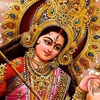 Vijaya Dashami Vijaya Dashami
|
| November 8 | Sunday |  Diwali Diwali
|
| November 9 | Monday |  Govardhan Puja Govardhan Puja
|
| November 15 | Sunday | 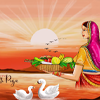 Chhath Puja Chhath Puja
|
| December 19 | Saturday |  Liberation Day Liberation Day
|
| December 25 | Friday |  Christmas Day Christmas Day
|
| Date | Day | Holiday |
|---|---|---|
| April 3 | Friday | 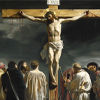 Good Friday Good Friday
|
| March 31 | Tuesday |  Mahavir Jayanti Mahavir Jayanti
|
| March 27 | Friday |  Ram Navami Ram Navami
|
| March 21 | Saturday |  Idul Fitr Idul Fitr
|
| March 20 | Friday |  Ugadi Ugadi
|
| March 3 | Tuesday |  Holi Holi
|
| February 15 | Sunday |  Maha Shivaratri Maha Shivaratri
|
| January 26 | Monday |  Republic Day Republic Day
|
Daman and Diu observes a public holiday on June 26, 2026. This date marks the observance of Muharram. It holds state-wide significance for residents. Civic life across the union territory will change. Government offices will close. This Daman and Diu public holiday allows for reflection. It affects public services statewide.Muharram signifies the Islamic new year. It commemorates Imam Hussein's martyrdom. He was Prophet Muhammad's grandson. This solemn observance holds deep historical weight. Its cultural meaning is profound for many. This Muharram public holiday honours remembrance.
August 15 is India's Independence Day. This significant date celebrates freedom. India gained independence from British rule. It holds deep historical significance. Citizens honour the nation's pioneers. The spirit of patriotism is strong. Daman and Diu observes this important Independence Day public holiday. This civic event carries state-wide relevance. Government offices and schools will close. Public services may operate differently. Residents celebrate the nation's historic journey. National pride unites the people across the territory.
Daman and Diu observes a significant public holiday. Sunday, August 16, 2026, brings Parsi New Year. This date marks a key Daman and Diu public holiday. It impacts statewide civic life deeply. Many government offices will close across the region. This ensures community attention and participation.Parsi New Year, known as Navroz, holds deep cultural significance. It marks the start of a new Zoroastrian year. This ancient festival celebrates renewal and hope. Its historical roots are in Persia. This Parsi New Year public holiday allows communities to gather. They celebrate unique traditions with joy annually.
Daman and Diu observes a public holiday. Tuesday, August 25, 2026, marks an important day. It honours the sacred Eid e Milad. Government offices close across the territory. This Daman and Diu public holiday alters routines. Citizens prepare for the occasion.Eid e Milad celebrates the Prophet Muhammad's birth. This date carries deep spiritual meaning. Muslims worldwide reflect on his life's wisdom. His example offers guidance for all. The Eid e Milad public holiday encourages reflection. It is a time for devotion and community.
Friday, August 28, 2026 brings a holiday. Daman and Diu observes Raksha Bandhan. This is a public holiday. The Raksha Bandhan public holiday has civic relevance. This Daman and Diu public holiday impacts state functions. Offices may adjust schedules. Residents prepare for festivities.Raksha Bandhan celebrates sibling ties. Sisters tie a sacred thread. This signifies protection and love. Brothers promise to care. This ancient tradition continues. It strengthens family bonds. People honour this cultural festivity. Families mark it with joy.
Daman and Diu celebrates Janmashtami today. This is a key public holiday. The Daman and Diu public holiday marks Lord Krishna's birth. Civic life pauses for the observance. Residents enjoy traditional festivities. Community spirit thrives in the region.Traditions are rich and vibrant. Devotees observe sacred fasts and rituals. Temples are decorated beautifully. Communities re-enact Krishna's life stories. This Janmashtami public holiday fosters devotion. Shared heritage unites people. Festivities bring joy to all.
Daman and Diu observes Ganesh Chaturthi. Tuesday, September 15, 2026 is a special public holiday. This occasion honours Lord Ganesha. He is revered as the god of wisdom. The festival celebrates new beginnings. It holds deep cultural significance. This Daman and Diu public holiday impacts civic life. Government offices and schools will close. Citizens prepare for vibrant celebrations.The annual Ganesh Chaturthi public holiday arrives. It marks an important time for devotees. People engage in prayers and rituals. Families come together for festivities. Many cultural programs will take place. This break allows reflection. It honours ancient traditions deeply. The community spirit grows stronger.
October 2, 2026, is Gandhi Jayanti. This honours Mahatma Gandhi. He is the Father of the Nation. The observance celebrates peace and unity. It holds profound historical relevance. Citizens recall his non-violent philosophy. This mark is deeply significant for all.In Daman and Diu, this Gandhi Jayanti public holiday is key. It is observed as a public holiday. The day promotes civic reflection and unity. People remember his teachings on truth. It highlights his enduring legacy for India.
Daman and Diu observes Vijaya Dashami. This significant Vijaya Dashami public holiday falls on October 21, 2026. It is a key Daman and Diu public holiday. Offices will close. Civic life sees modifications. Public transport may run differently. Residents honour this significant occasion. It represents victory and fresh starts.Vijaya Dashami celebrates Lord Rama's triumph. He conquered the demon Ravana. This happens on the tenth day. It marks the end of Navaratri. Good defeats evil. People burn Ravana effigies. This symbolises righteousness prevailing. The festival holds great cultural importance.
Daman and Diu observes Diwali on November 8, 2026. This Sunday is a key public holiday. The Daman and Diu public holiday affects daily life across the region. Government offices will shut for the day. Many shops and businesses might also pause operations. This gives residents ample time to enjoy festivities. It is an important civic occasion.Diwali celebrates light beating darkness. It shows good winning over bad. People illuminate homes with many lamps. Families gather for special festive meals. This deeply rooted, old festival brings much happiness. The Diwali public holiday honours this important tradition. It marks a cherished time for new beginnings.
Daman and Diu observes a public holiday. Monday, November 9, 2026, is a special day. This Daman and Diu public holiday offers civic relevance. Govardhan Puja leads local festivities. Public offices may experience closures. Communities celebrate traditions and unity. People enjoy this significant occasion together.Govardhan Puja holds deep cultural meaning. It honours Lord Krishna's divine act. He raised the Govardhan Hill. This protected villagers from heavy rains. The Govardhan Puja public holiday recalls ancient lore. It celebrates devotion, faith, and nature. Hindus observe this auspicious day.
Daman and Diu observes this public holiday. This marks a significant occasion. The Daman and Diu public holiday holds wide state-wide relevance. Civic life pauses for this important day. Government offices remain closed region-wide. Daily routines are adjusted here greatly. It fosters community spirit for all.Chhath Puja honours Surya Dev, the Sun God. It is an ancient devotional festival. The ritual signifies purity and prosperity. Fasting and prayers are central aspects. This celebration honours nature’s vital gifts. The Chhath Puja public holiday represents profound cultural heritage.
Daman and Diu observes Liberation Day. It is celebrated Saturday, December 19, 2026. This day holds great civic relevance. It marks freedom from past rule. People across the state participate. This is a key Daman and Diu public holiday. It is an important regional event.Liberation Day recalls the end of foreign administration. India secured this territory historically. This event shaped the modern region. It is remembered with deep pride. The day is marked statewide. This Liberation Day public holiday continues. It reflects past struggles for independence.
Daman and Diu observes a significant public holiday. This Friday, December 25, 2026, is Christmas Day. The date holds special civic importance across the territory. Government offices and schools often close for this Daman and Diu public holiday. Residents use this time for community events and festive reflection.Christmas Day celebrates Jesus Christ's birth. The holiday carries deep cultural and historical meaning. Families gather for special meals and traditions. Observing this meaningful Christmas Day public holiday fosters togetherness. It strengthens community bonds and shared heritage. The festive spirit enriches the region.
Daman and Diu observes a public holiday. Friday, April 3, 2026, marks Good Friday. This Daman and Diu public holiday impacts many residents. Government offices will close across the territory. Banks will also remain shut. Businesses may observe this common day. This civic closure affects daily routines. It offers a collective pause for all.This day holds deep religious significance. It is a solemn Christian observance. The day remembers Jesus Christ's crucifixion. This event is central to Christian belief. Such a Good Friday public holiday prompts reflection. Followers consider its profound historical meaning. This national observance connects to heritage. It is widely noted.
March 31, 2026, marks Mahavir Jayanti. This significant occasion is a public holiday. Daman and Diu will observe this day. Mahavir Jayanti honours Lord Mahavir. He is revered as the 24th Jain Tirthankara. The celebration commemorates his birth anniversary yearly. It fosters spiritual reflection.The cultural significance relates to peace and non-violence. These are core Jain principles from Lord Mahavir. As a Daman and Diu public holiday, civic life is affected. Government offices will close. This Mahavir Jayanti public holiday allows quiet contemplation. It highlights the impact of ancient wisdom.
Daman and Diu observes Ram Navami this Friday. March 27, 2026, marks a significant public holiday. This day holds important civic relevance. Government offices will close state-wide. Many businesses may also observe the holiday. This Daman and Diu public holiday affects usual routines. People prepare for spiritual observances.Ram Navami celebrates Lord Rama's birth. It is a major Hindu festival. The holiday has deep cultural roots. It signifies the triumph of good. Many devotees observe fasts and prayers. This Ram Navami public holiday allows reflection. Students might enjoy a break from studies. Institutions observe the occasion. Communities come together peacefully.
Daman and Diu marks Idul Fitr as a public holiday. This occurs Saturday, March 21, 2026. It offers civic relevance for the union territory. Residents anticipate rest and community celebration. The Daman and Diu public holiday is culturally significant. It allows valuable reflection time.This Idul Fitr public holiday follows Ramadan fasting. It holds deep cultural weight. Muslims mark its end with joy. Festivals teach gratitude and charity. Families gather for prayers and festive meals. Occasions promote peace and goodwill.
Daman and Diu observes a public holiday. This special day is Friday, March 20, 2026. It is a Daman and Diu public holiday. This observance celebrates the festival of Ugadi. It holds state-wide significance for all. Civic services might see schedule changes. Residents welcome this day off.Ugadi marks the Hindu New Year. This festival is culturally significant. It symbolises new beginnings and prosperity. Its historical importance is deeply rooted. The Ugadi public holiday allows unique traditions. Families share special feasts. It is a time for renewal.
Daman and Diu observes a public holiday. Tomorrow is Tuesday, March 3, 2026. The occasion honours the festival of Holi. This ancient celebration marks spring's vibrant arrival. It signifies the victory of good over evil. This public holiday holds deep civic relevance. Public offices may operate with limited services. Communities prepare for widespread festivities.Holi carries significant cultural importance. It is known for its bright colours. People share joy and forgiveness widely. This festival reflects India's rich heritage. It honours deep-rooted traditions. The spirit of Holi unites citizens. Community bonding happens during this time.
February 15, 2026, brings Maha Shivaratri. This is a key public holiday. It is observed across Daman and Diu. Government offices will close. Banks may also shut operations. This Daman and Diu public holiday impacts daily schedules. Residents plan around this important civic event. Public services will operate with limited changes. It is a day of regional significance.Maha Shivaratri celebrates Lord Shiva. It marks his divine marriage. Devotees observe fasting and prayers. This night signifies spiritual awakening. It is a time for devotion. Understanding its history enriches celebrations. People seek blessings throughout the night. This Maha Shivaratri public holiday connects us all.
Monday, January 26, 2026, marks Republic Day. This is a major public holiday nationwide. India celebrates becoming a republic. The constitution officially started then. Daman and Diu observes this important national day. Government offices and many businesses pause operations. Citizens mark this occasion reflecting on civic duties.The historical significance of this Republic Day public holiday is profound. It honours the adoption of India's constitution. This date ushered in the modern Indian republic. People celebrate national unity and democratic values. It is a day rich in cultural pride. This remembrance reinforces our collective identity.
In Daman and Diu, official holidays help maintain administrative order across this coastal Union Territory. These holidays define when government offices, public institutions, and local bodies remain closed, giving residents clarity for official planning. As the administration operates across two geographically separated regions, a clear holiday structure ensures uniformity in governance. For citizens, predictable holidays reduce uncertainty while planning documentation, registrations, and public service visits. Beyond governance, holidays also allow time for rest and community participation, supporting a balanced relationship between administration and daily life.
Government offices in Daman and Diu rely on declared holidays to organise internal workflows and public-facing services. Departments plan workloads, staff availability, and service delivery timelines around non-working days. This preparation helps reduce bottlenecks before and after holidays and ensures smoother administrative functioning. For residents, such planning translates into better coordination and fewer service delays. A structured holiday framework supports continuity while allowing employees necessary breaks, reflecting disciplined and citizen-focused administration.
Clear communication of holiday schedules is essential in Daman and Diu. Official announcements inform government offices, educational institutions, and the public about upcoming holidays. This transparency ensures consistent observance across departments and regions. For citizens, timely access to holiday information prevents unnecessary visits to closed offices and improves planning. Clear communication strengthens trust between the administration and the public, ensuring smoother interaction with government services.
Nationally important days are observed in Daman and Diu in line with national guidelines. These occasions commemorate significant historical milestones and promote constitutional values. Government offices and educational institutions generally remain closed, while official programs or awareness activities may be organised. Observing national days reinforces civic responsibility and strengthens the Union Territory’s connection to the national framework, fostering a shared sense of identity among residents.
The social life of Daman and Diu reflects a blend of coastal, regional, and historical influences. Administrative closures often align with culturally important occasions, allowing residents to observe traditions without conflicting with official responsibilities. Recognising cultural practices within the holiday structure promotes inclusivity and social harmony. This approach ensures governance remains connected to community life while maintaining consistency in office functioning.
Optional leave provisions allow government employees in Daman and Diu to observe personal or community-specific occasions. By regulating optional holidays, the administration ensures continuity of public services while respecting individual preferences. This balance supports employee well-being and administrative efficiency. Flexible leave options contribute to a positive work environment and help accommodate cultural diversity within the workforce.
During official holidays, routine administrative offices may remain closed, but essential services continue to operate. Healthcare facilities, emergency response services, and utilities function under special arrangements to ensure public safety. Awareness of service availability during holidays helps residents plan effectively and rely on critical services when needed. This continuity strengthens public confidence in governance.
Educational institutions in Daman and Diu align their academic calendars with officially declared holidays. Schools and colleges plan examinations, vacations, and academic activities accordingly. Predictable closures help maintain academic continuity and reduce disruption for students and educators. Parents benefit from clear schedules, making it easier to manage academic and family commitments. Government holidays thus support stability within the education system.
Scheduled holidays support community life by providing time for rest, family interaction, and social engagement. For employees, these breaks help reduce stress and improve productivity. For residents, holidays create opportunities for cultural participation and community bonding. A balanced holiday system supports both personal well-being and effective governance, reinforcing a healthy relationship between administration and society.
Festivals in Daman and Diu reflect the region’s cultural diversity and coastal heritage. Celebrations such as Nariyal Purnima, Diwali, Christmas, Holi, Navratri, and Eid play an important role in public life. Aligning official breaks with these festivals allows communities to participate fully without disrupting administrative functioning. Festival-related holidays also help manage public movement and service demand during peak periods, ensuring cultural expression and orderly governance coexist smoothly.
India’s AI job market is surging with 3.5 lakh new openings in 2026. Discover the top roles, essential skills, and strategies to secure your place...

The ICAI has officially released the CA Intermediate May 2026 results. Discover the AIR 1 topper, check the latest pass percentage statistics, and...

Is your school or bank closed for Muharram on Friday, June 26, 2026? Check the latest state-wise holiday updates, government circulars, and...

Heavy rains have triggered a yellow alert in Mumbai, causing significant commute delays. Stay prepared with these essential tips for students and...

Patliputra University has officially postponed the UG Semester-IV exam originally scheduled for June 24, 2026. Students must now appear on July 1....
Frequently Asked Questions