




 Click it and Unblock the Notifications

-
Gujarat University, Ahmedabad

Type of College
Established
Affiliation
About Gujarat University, Ahmedabad
Gujarat University, Established in 1949 under the Gujarat University Act, the Gujarat University is largest and oldest university of the Gujarat state.
The Gujarat University was conceived in the nineteen twenties in the minds of public-spirited and learned men like Gandhiji, Sardar Patel, Acharya Anandshankar B. Dhruva, Dada Saheb Mavlankar, Kasturbhai Lalbhai and many others. However, the University could come into existence only after the achievement of independence.In 1949, the University was incorporated under the Gujarat University Act of the State Government 'as a teaching and affiliating University.' This was done as a measure of decentralisation and reorganization of University education in the then Province of Bombay.
During the course of its life of more than five decades, the University has seen the establishment of seven more Universities which were carved out of the jurisdiction of the Gujarat University, viz., Sardar Patel University, Saurashtra University, Bhavnagar University, South Gujarat University, Gujarat Ayurveda University, Gujarat Agricultural University and North Gujarat University. Even then, the Gujarat University is the largest university in the state catering to the needs of higher education of more than two lakh students scattered over 235 colleges, 15 recognised institutions and 24 approved institutions. There are 34 Post-Graduate University departments and 221 P.G. Centres.
Gujarat University is an affiliating University at the under-graduate level, while it is a teaching one at the post-graduate level. Indeed, the responsibility for post-graduate instruction has been statutorily given to the University, and accordingly it has evolved a plan of co-ordinated instruction under the direct control and supervision of the University so as to ensure efficient and diversified instruction. An important feature of this University is the system of external examinations in the Faculties of Arts and Commerce, both and under-graduate and post-graduate levels. The external examinations were introduced with a view to enabling working students and the others who could not afford the high cost of university education to realize their dream.
Gujarat University has developed phenomenally in the last 67 years to be recognized as a premier University in the country today. It provides education in one of the widest range of disciplines to about two lakh students.
VISION
To be a Center of Excellence
Providing Value Based Quality Education
Efficiency With Financial Sustainability
Leading to Socio – economic Welfare of the Society through Enrichment of Human Capital
MISSION
Empowering Student through Modernized Syllabi
Innovation in Teaching
Promotion Of Research, Consultancy and Extension for the Benefit of the Society
Quality Improvement to Enhance Global Competitivenes
OBJECTIVES
To provide instruction including correspondence courses, teaching and training in such branches of learning and courses of study as it may think fit, to make provision for research, advancement, and dissemination of knowledge, and to conduct special undergraduate courses for talented students;
To make such provision as would enable affiliated colleges, recognized institutions and approved institution to undertake specialization of studies;
To establish, maintain, take over by agreement and manage colleges, departments, centers and institutes of research or specialized studies;
To organize common laboratories, libraries, museums and other equipment for teaching and research;
To establish within the University area or outside that area such field stations, specialized laboratories and other units for research and instructions as are necessary for the furtherance of its objects;
To create such teaching, administrative and such other posts as the University may deem necessary from time to time and to make appointments thereto;
To institute professorships, readerships, lectureships and other posts of teachers required by the University;
To appoint or recognize persons as professors, readers, or lecturers, or otherwise as teachers of the University;
To guide teaching and research work in colleges, University Departments, University centers and recognized institutions;
To lay down the course of instruction for the various examinations;
To institute degrees, diplomas and other academic titles and distinctions;
To hold examinations or tests and confer degrees and diplomas on, and gant certificates to, persons who-
To confer honorary degrees or other academic distinctions in the manner laid down by Statutes;
To grant such diplomas to, and to provide such lectures, instruction and training to, persons who are not enrolled students of the University, as may be determined by the Statues, Ordinances, Regulations and Rules;
To withdraw or cancel any degree, diploma or certificate conferred or granted by University in the manner prescribed by Statues;
To associate or admit educational institutions with or to the privileges of the University by way of affiliation, recognition or approval;
To withdraw or modify either in whole or in part, affiliation, recognition or approval of educational institutions;
To submit to the State Government proposals for conferment of autonomy on any affiliated colleges or a University college, or a University Department or a recognized institution entitling it to privileges in the in the matters of admission of students, prescribing the courses of study, imparting instruction, teaching and training in the courses of study, the holding and conduct of examinations and the powers to make necessary rules for the purpose;
To recommend to the State Government withdrawal of autonomy conferred on any affiliated college, recognized institution or a University College or Department;
To inspect colleges, recognized institutions and approved institutions and to take measures to ensure that proper standards of instruction, teaching and training are maintained in them and that adequate library and laboratory provisions are made therein;
To lay down and regulate the salary scales, allowances and other conditions of service of the members of the teaching, other academic and non-teaching staff of the University;
To lay down and regulate the salary scales, allowance and other conditions of service of the members of the teaching, other academic and non-teaching staff in the affiliated colleges, and recognized and approved institutions;
To provide for the establishment and recognition of Students' Unions or associations of teachers, academic staff or other employees of the University, affiliated colleges and recognized institutions;
To control and co-ordinate the activities of, and give financial aid to affiliated colleges and recognized and approved institutions; and
To hold and manage trusts and endowments;
To Institute and award fellowships, traveling fellowships, scholarships, studentships, medals, prizes and other wards;
To make special provision for the spread of University education among classes and communities which are educationally backward;
To lay down courses of study to meet the requirements of rural planning, development and reconstruction and to provide for instruction, teaching and training in such courses;
To make special provision for disseminating knowledge and promoting arts and culture;
To fix, to demand and to receive or recover such fees and other charges as may be prescribed by Ordinances;
To establish, maintain and manage hostels;
To recognize hostels not maintained by the University, to inspect such hostels and to withdraw recognition there from;
To co-ordinate, supervise, regulate and control the residence, conduct and discipline of the students of the University and to make arrangements for promoting their health and general welfare;
To take disciplinary action against the students of the University and to impose such punishments upon them as may be deemed fit for breach of discipline or misconduct, within or outside the University, including the use of unfair means at an examination or in relation thereto by themselves or b y any other persons or abetment thereof;
To conduct, co-ordinate, supervise, regulate and control post-graduates teaching and research work in the University Departments, affiliated colleges and institutions recognized or approved b y the University;
To co-ordinate, supervise, regulate and control the conduct of under graduate teaching and instruction in the affiliated colleges and to undertake the same in University colleges;
To institute and manage --
To make provision--
To co-operative with any other universities, authorities or associations or any other public or private bodies in such manner and for such purposes at the University may determine;
To make arrangements for training for competitive examinations for recruitment of services under the Union and State Governments;
To promote the development of the study of Gujarati and Hindi (in Devnagari script) and the use of Gujarati and Hindi (in Devanagari script) or both, as the media of instruction and examination;
To acquire, hold, manage and dispose of any property movable and immovable, including trust or endowed property within or outside the University area, for the purposes or objects of the University and to invest any funds representing such property in such manner as the university thinks fit;
To raise public loans and the security of the assets of the University for the purposes of the University, with the previous approval of the State Government;
To enter into any agreement for the incorporation in the University of any other institution and for taking over its rights, properties and liabilities and for any other purpose not repugnant to this Act;
Gujarat University, Established in 1949 under the Gujarat University Act, the Gujarat University is largest and oldest university of the Gujarat state.
No. 1 Gujarat
Gujarat University is ranked as the #1 University in the NIRF Rankings, with Gujarat University also emerging as the #1 University under the Gujarat State Institutional Ranking Framework recently. The spirit of ingenuity and innovation reigns supreme at Gujarat University, a fact best represented by it emerging in the top 9 Institutions in India in the Atal Rankings of Institutions on Innovative Achievement (ARIIA) Rankings.
Government Recognized
Gujarat University
The Gujarat University was conceived in the nineteen twenties in the minds of public-spirited and learned men like Gandhiji, Sardar Patel, Acharya Anandshankar B. Dhruva, Dada Saheb Mavlankar, Kasturbhai Lalbhai and many others. However, the University could come into existence only after the achievement of independence. In 1949, the University was incorporated under the Gujarat University Act of the 'as a teaching and affiliating University.' This was done as a measure of decentralisation and reorganization of University education in the then Province of Bombay.
University Grants Commission (UGC)
The degree(s)/diploma(s)/certificate(s) are verified/validated by the issuing authority i.e. concerned university/institution only. UGC can provide the recognition status of the university/Institution which is available on the UGC website at www.ugc.ac.in
Universities basically needs to be recognized by the University Grant Commission to be acceptable at central level or must be recognized by the State Government to be acceptable on state level.
1st Research Park in State University
Industry Interface
Gujarat University is in the process of establishing the Park for Industrial Extension and Research (PIER) i.e. the Research Park, which will be hosted at the Gujarat University campus. The Research Park is being established with the funding assistance of the Education Department, Government of Gujarat.
The GU-PIER has been envisioned as a global hub for industrial research, academic-industry collaboration and innovation. The PIER shall be the first of its kind research and innovation park in the country.
As the first phase of GU-PIER, Dr APJ Abdul Kalam Centre for Extension Research and Innovation is expected to be operational from early 2019. The construction of second and third phase of the GU-PIER shall begin during mid 2019.
Key Facts about Gujarat University and Industry Interface:
- 175,000 sq.ft. floor space in phase 1
- Project cost worth Rs. 140+ crore
- Expected to be operational by early 2019
- To bolster academic industry collaboration
Institute of Indic Study
About Center for Indic Studies
The School of International Studies (SIS) at Gujarat University is set up to conduct advanced programs in multidisciplinary subjects through its various departments like the Center for Indic Studies, Diaspora and Migration Research Centre, Center for International Relations and others. Centre of Indic Studies, Bharat Shodh Sansthan (BSS) aims to imagine a better future rooted in ancient Bharatiya wisdom. To facilitate study and research of all subjects through the lenses of Indian Philosophy; including, Indology, languages, literature, history, dharma, religion, sociology, astronomy, astrology, polity, arts, economy, archaeology, medicine, and all others which form a part of the cultural heritage of India. Also, to collaborate with centers across the world projecting Indian sculpture, architecture, education, dharma, culture, ethnic groups, natives, manuscripts, archives, and centers of research, to produce authentic research material which enables future India to excel in the application of Indic Knowledge System in contemporary time and becomes a source of wisdom.
Educcation Multimedia Research Centre (EMRC)
EMRC, Gujarat University, is one of the forerunners of the 21 EMRCs set up by University Grants Commission (UGC/MHRD) across the country under the umbrella of Consortium for Educational Communication (CEC). EMRC, Ahmedabad was established on 9 November, 1984. Since then, it has been actively involved in production of TV programmes and e-contents. In 2000, MHRD-NMEICT project was allotted to EMRC, Ahmedabad to prepare TV videos (Vyas TV) and e-contents. The Centre is involved in the production of educational content for students of Higher Education.
It develops and designs excellent learning materials for students and helps them benefit through the vast educational resources available within and outside the state in the form of e-content, ETV programmes, MOOCs, documentaries, multimedia and learning objects. The Centre is also engaged in research to assess the popularity and utility of these educational programmes besides analyzing the potential and utility of World Wide Web, television and other communication technologies for teaching and learning.
Web Based Research Network
IRINS is web-based Research Information Management (RIM) service developed by the Information and Library Network (INFLIBNET) Centre. The portal facilitates the academic, R&D organisations and faculty members, scientists to collect, curate and showcase the scholarly communication activities and provide an opportunity to create the scholarly network. The IRINS is available as free software-as-service to the academic and R&D organisations in India.
The IRINS would support to integrate the existing research management system such as HR system, course management, grant management system, institutional repository, open and commercial citation databases, scholarly publishers, etc. It has integrated with academic identity such as ORCID ID, ScopusID, Research ID, Microsoft Academic ID, Google Scholar ID for ingesting the scholarly publication from various sources.
| Streams | Mode | Duration | Eligibilty |
|---|---|---|---|
| Master of Business Administration in Aviation | Full Time | 2 Years | Eligibility -Bachelor’s degree from a recognized University in any discipline. |
| Master of Business Administration in Finance & Banking | Full Time | 2 Years | BBA |
| Masters of Business Management | Full Time | 2 Years | na |
| MBA in (Tourism And Hospitality Management) | Full Time | 2 Years | na |
| Streams | Mode | Duration | Eligibilty |
|---|---|---|---|
| Bachelor of Technology in Computer Science | Full Time | 4 Years | XII |
| Streams | Mode | Duration | Eligibilty |
|---|---|---|---|
| Bachelor of Commerce in Accountancy | Full Time | 3 Years | 10+2 |
| Bachelor of Commerce in Business studies | fulltime | 3 years | na |
| Bachelor of Commerce in Economics | Full Time | 3 Years | 10+2 |
| Commerce | Full Time | 3 Years | 10+2 |


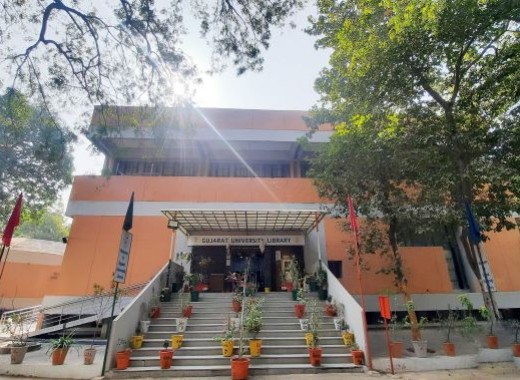
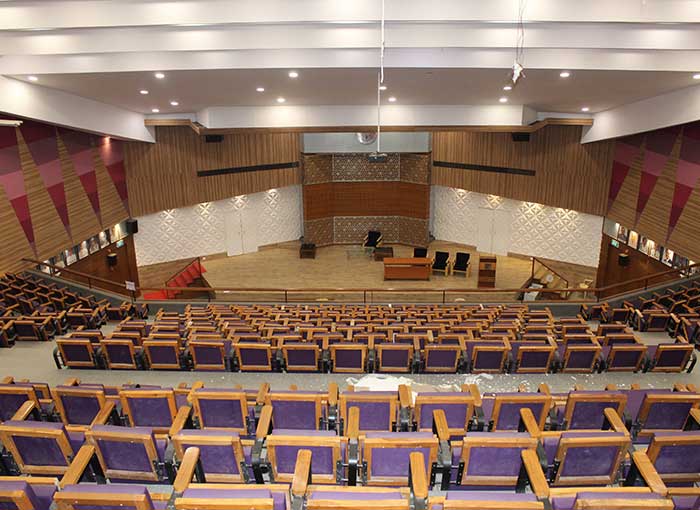
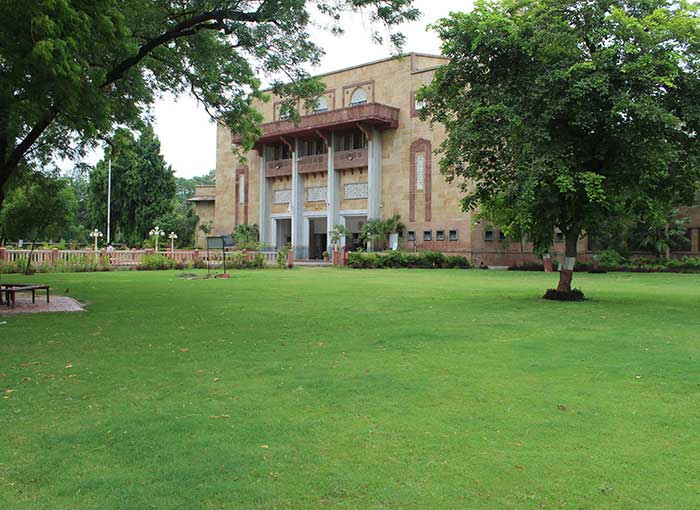
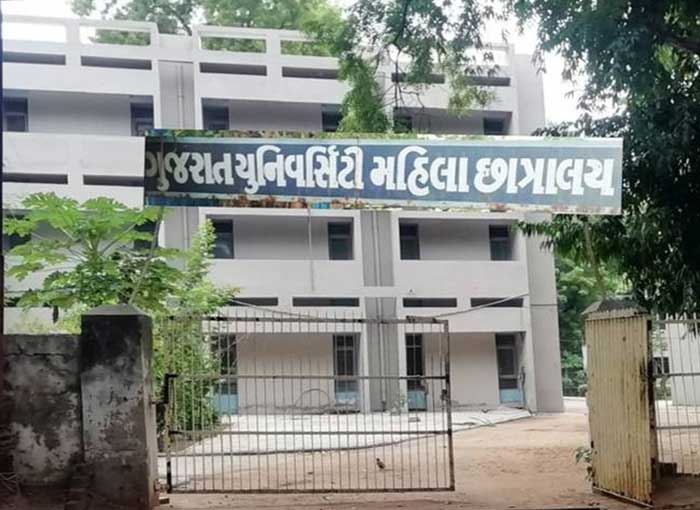
- Library
- Sports
- Hostel
- Laboratories
- Auditorium
- Bank/ATM
- Classroom
- Placement
- Scholarship
- Health Centre / Hospital
- CCTV Surveillance System
- Playground
- Indoor Stadium
- Conference Hall
- N.C.C.
- N.S.S.
- Outdoor Stadium
- Computer Lab
- Cafeteria/Canteen
- Bus Facility
- Campus Security(24x7)
- Post Office