


 Click it and Unblock the Notifications

Type of College
Public - Autonomous




IIT Hyderabad, Near NH-65, IITH Main Road,
P.O. Kandi, Sangareddy (T),
Medak (Dist.), Telangana - 502285, India
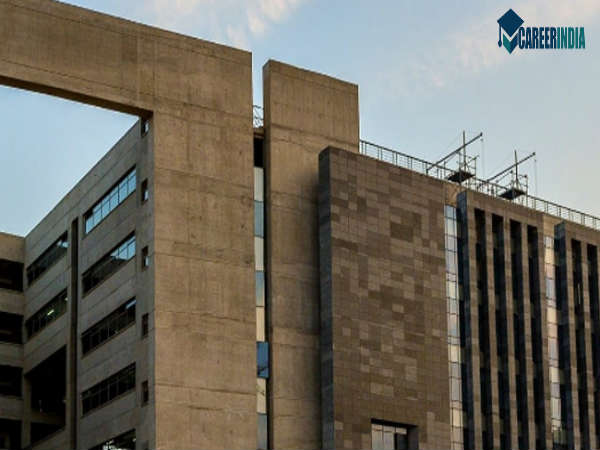
Established on 20th August 2008, Indian Institute of Technology Hyderabad, also called IIT Hyderabad or IITH, is located in the Sangareddy District of Telangana. It is a research institution and a public engineering college.
Honorable Chairperson of UPA, Smt. Sonia Gandhi laid the foundation stone of Indian Institute of Technology Hyderabad on 27th February 2009. IITH has Ph.D., M.Phil, M.Sc, M.Tech, M.Des and B.Tech students. It boasts of 172 full-time faculties and approved by All India Council for Technical Education, New Delhi.
Under the Institutes of Technology (Amendment) Act, 2011, the Ministry of Human Resource Development, the Government of India established IIT Hyderabad. IITH belongs to the category of 1 of the 8 new Indian Institutes of Technology (IITs). On 24 March 2011[2] the Lok Sabha passed the act and on 30 April 2012, the Rajya Sabha passed the act.
In July 2015 the administrative and academic operations of the institute were transferred to Kandi, Sangareddy where the permanent campus was set up. However, some students stayed back at Ordnance Factory, Medak, which was their temporary campus.
Some students from IITH have gone to Japan for internship and some have qualified for an international scholarship. Indian Institute of Technology Hyderabad has a master plan of building a signature campus. The campus will have an ambiance that will encourage innovations and inventions. It intends to raise its standard above the other IITs.
The institute aims at creating an environment where the dreams of all its students will be realized, dreams for technology creation, for co-curricular activities, to change the world, for scientific inquiry and for higher knowledge.
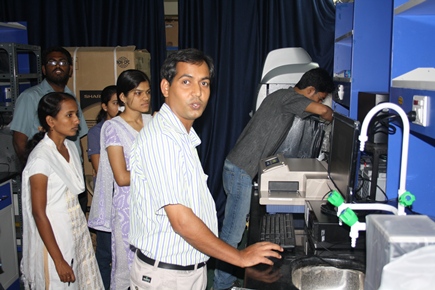
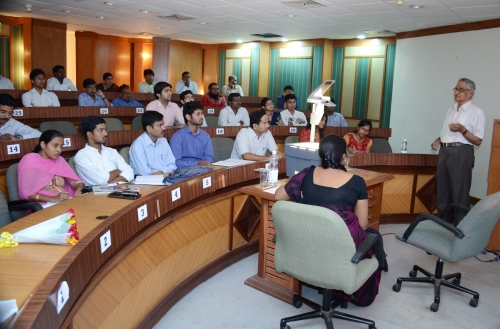
Indian Institute of Technology Hyderabad offers both B.Tech and M.Tech. degrees in 8 disciplines of engineering and research and postgraduate degrees in liberal arts, sciences, and engineering. The faculties belonging to these disciplines are also engaged in industrial consultancy and research, besides teaching.
Vision:
Mission:
Indian Institutes of Technology (IITs)
The Indian Institutes of Technology (IITs) provide higher education in India. These are autonomous public institutes. These institutes are governed as per the Institutes of Technology Act, 1961. The Act has formally announced them as centres of national importance. The Act also specifies their framework for governance, powers, duties, etc.
The Institutes of Technology Act, 1961 lists 23 institutes located at Ropar, Palghat, Dhanbad, Bhilai, Delhi, Dharwad, Jodhpur, Goa, Jammu, Kharagpur, Kanpur, Mumbai, Bhubaneswar, Chennai, Gandhinagar, Varanasi, Hyderabad, Guwahati, Indore, Roorkee, Mandi, Patna, and Tirupati.
The IIT Council links each IIT to the other as these are autonomous institutions. The IIT Council oversees their administration.
The ex-officio Chairperson of the IIT Council is the Union HRD Minister. For undergraduate admissions, the IITs have a common admission process, the Joint Entrance Examination Advanced. Before 2013, the common admission process was called IIT-JEE.
The older IITs (Madras, Bombay, Kharagpur, Delhi, Kanpur, Roorkee, Dhanbad, Varanasi and Guwahati) administer the post-graduate level programs. They award the MS and M.Tech degrees in engineering. The Graduate Aptitude Test in Engineering (GATE) is conducted for MS and M.Tech admissions.
Other than offering MS, B.Tech and M.Tech programs, IITs also award M.Sc degrees in Maths, Physics, and Chemistry; Ph.D.; MBA; etc. In order to get admission to these courses, students have to clear the Common Entrance Examination for Design (CEED), Joint Admission Test for Masters (JAM) and Common Admission Test (CAT).
Public - Autonomous
AICTE
2008
Indian Institute of Technology Hyderabad
Features at Indian Institute of Technology, Gandhinagar:
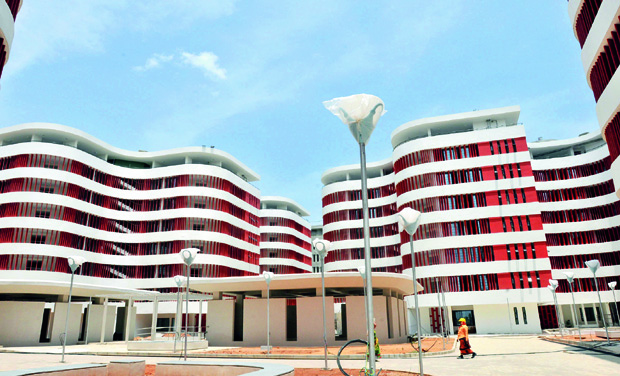
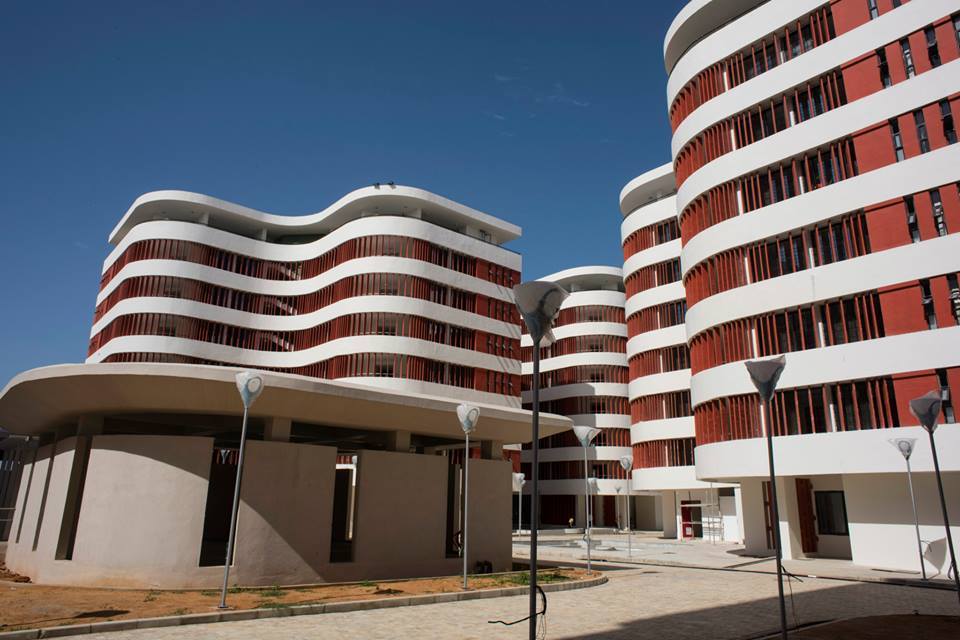
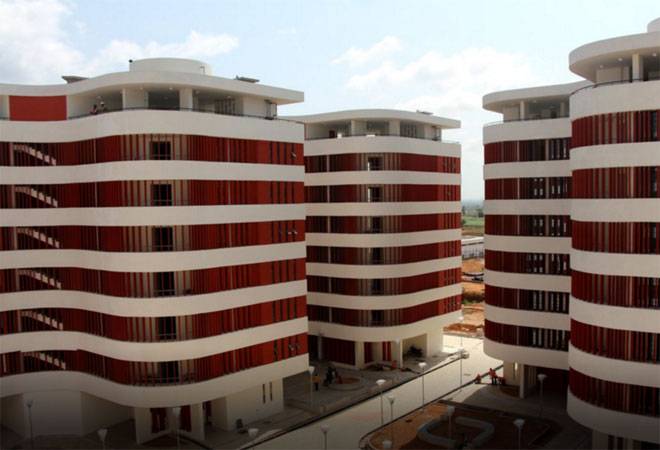
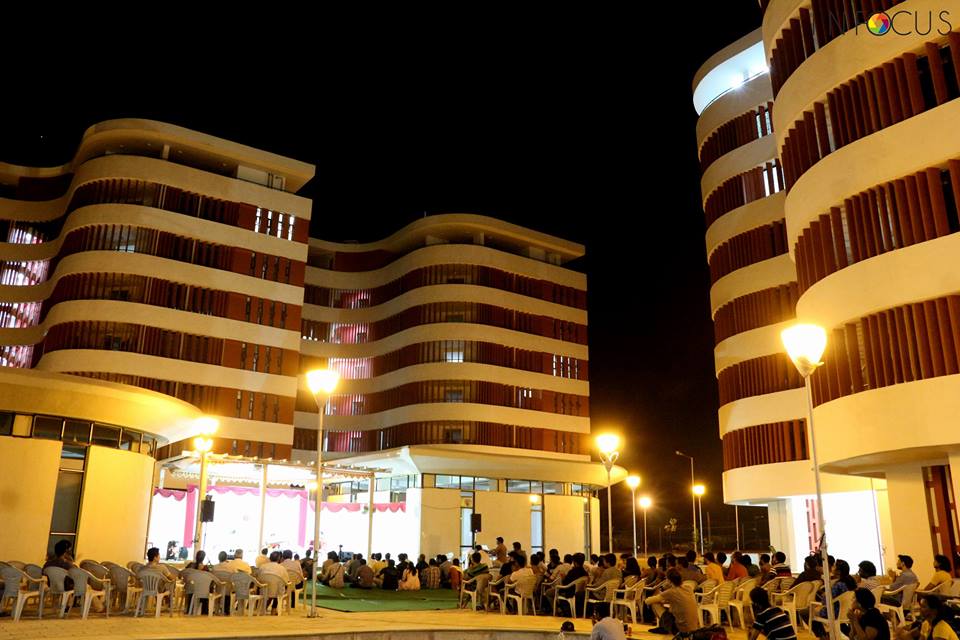
Student Housing:
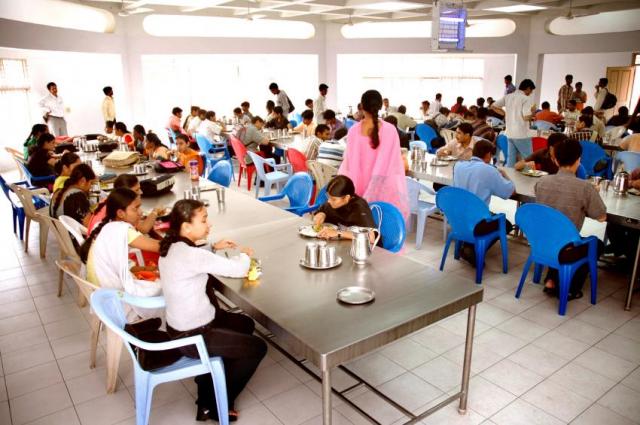
Dining:
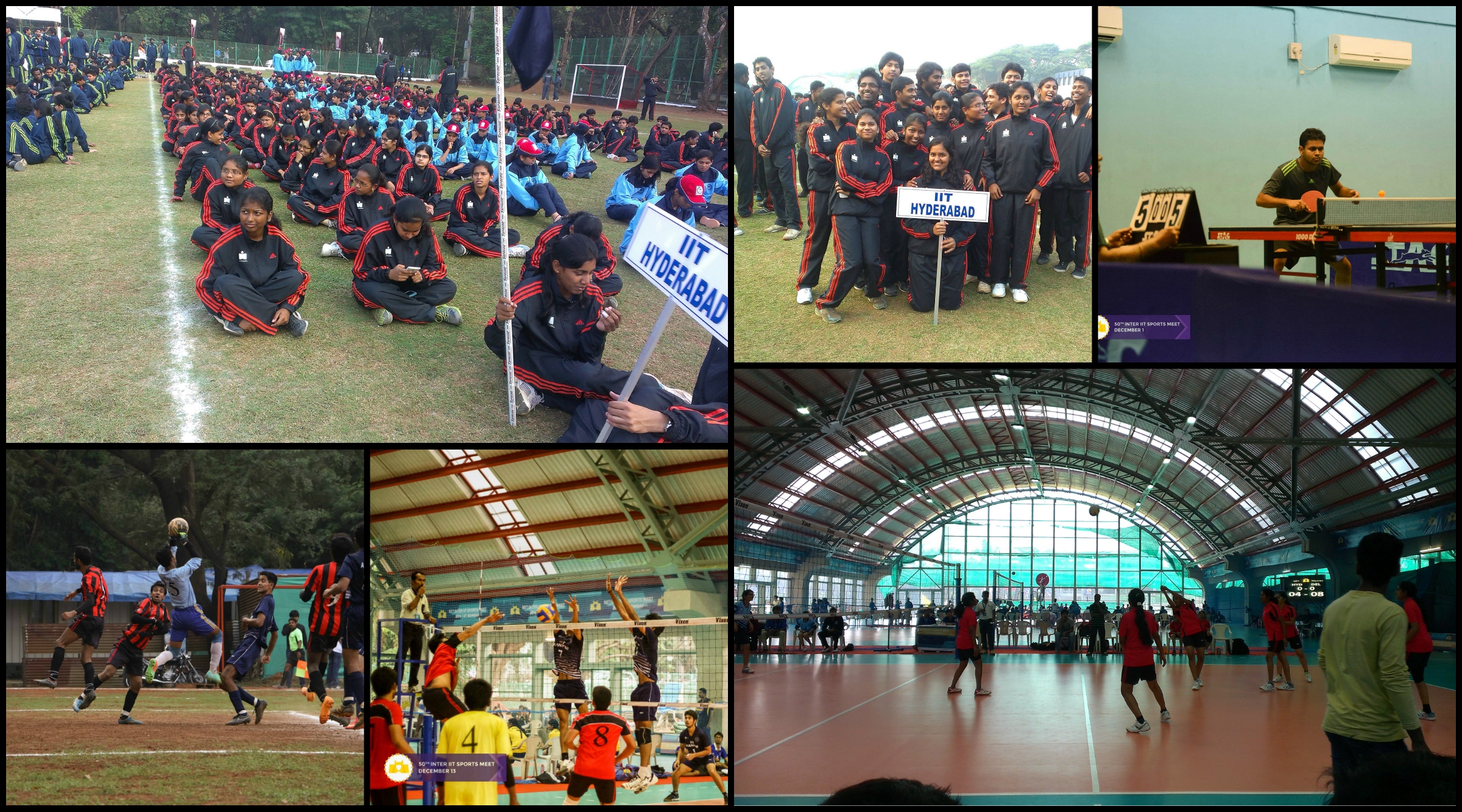
Sports:
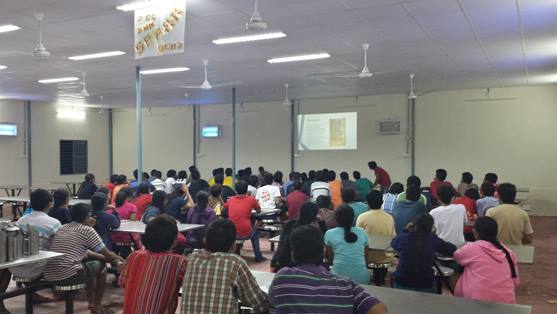
Recreation Spaces:
| Streams | Mode | Duration | Eligibility |
|---|---|---|---|
| Master of Science | Full Time | 2 Years | Bachelor's Degree |
| Streams | Mode | Duration | Eligibility |
|---|---|---|---|
| Master of Philosophy | Full Time | 1 Year / 2 Years | Bachelor's degree |
| Streams | Mode | Duration | Eligibility |
|---|---|---|---|
| Master of Design | Full Time | 2 Years | Graduation |
| Streams | Mode | Duration | Eligibility |
|---|---|---|---|
| Doctor of Philosophy | Full Time | 2 / 3 / 4 / 5 Years | Master's Degree / M.Phil. |
| Streams | Mode | Duration | Eligibility |
|---|---|---|---|
| Bachelor of Technology | Full Time | 3 / 4 Years | 10+2 & Qualifying Entrance Exam |
| Master of Technology | Full Time | 2 Years | B.E / B.Tech |
All the information (including colleges, universities, their respective courses,
colleges Wikipedia etc.) on Careerindia.com has been compiled from the respective
websites, newspaper and other reliable sources available in the public domain. While
every care has been taken to present the information in most comprehensive, accurate
and updated form during compilation, yet Careerindia.com doesn\'t take any kind of
responsibility regarding the content. Information provided, may become obsolete
partially or completely due to time lapse, unedited, incomplete or incorrect
altogether, even after sincere efforts of updating at regular intervals to ensure
high quality.
As the content in the site is only for reference purposes, the users are advised to
refer respective original websites in case there is any kind of doubt and if
possible inform us to do the necessary changes to make Careerindia.com a
considerably useful site for visitors.
However, if you have found any inappropriate or wrong information/data on the site,
inform us by mailing us at [email protected] for
rectification/deletion/updating of the same.



 Continue with Google